Introduction
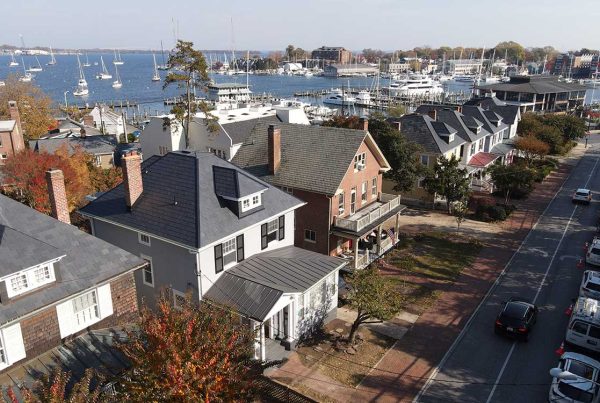
Are you a homeowner in Annapolis or the greater Maryland area considering a home exterior remodel? This article explores what happens when you undertake a home exterior remodel, especially when upgrades are done at different times. We’ll cover why coordinated exterior renovations matter from a trusted, local business, how they can impact your property’s value, and what steps you should take to ensure a seamless, lasting result. Exterior home renovations can significantly boost property value.
The Narrative: When One Upgrade Reveals Another
The estimate was for a roof. Just the roof.
But standing in the driveway, Maria couldn’t stop seeing everything around the roof. The siding that suddenly looked dated. The trim that didn’t quite line up anymore. The gutters that worked fine but felt… mismatched.
“For what I spent on my roof repair, and the disruption that came with it, I expected my home to feel newer overall.”
She’d called for a repair. What she was realizing she wanted was a resolution.
This is the moment many homeowners experience. One improvement naturally reveals another—not because something is wrong, but because once part of your home is refreshed, the rest can look dated. Homeowners in Annapolis must consider their budget and how exterior renovations can affect both the costs and the value of their property.
That’s why more Maryland homeowners are choosing full-service exterior remodeling: so their home doesn’t just get repaired, it feels finished. Factors like local climate, roof removal procedures, and debris disposal can significantly affect the overall costs and material choices for a home exterior remodel in Annapolis.
Transitioning from individual repairs to a holistic approach can help you avoid the cycle of constant upgrades and mismatched finishes and help you make informed decisions. Let’s explore why fixing one thing at a time often leads to frustration.
The Problem With Fixing One Thing at a Time

Here’s what happens when you replace your roof in isolation:
Your new GAF shingles look crisp. Clean. Modern. And suddenly your 15-year-old siding looks exhausted next to them. Not because it’s failing—but because contrast reveals age. Your eye picks up the difference instantly, even if you can’t articulate why.
Six months later, you’re looking at inspiration photos and getting siding estimates.
Then you realize the gutters don’t match the new siding profile. The fascia is rotting behind them anyway. The windows are single-pane relics that belong in a different era.
What you meant to be one project becomes three, four, five separate disruptions—each with its own contractor, its own timeline, its own moment of “well, since we’re already here…”
You end up spending more. Taking longer. And still never quite getting the cohesive result you were picturing.
Why Your Home Exterior Should Be Treated as a Single System

Coordinated exterior remodeling is often mistaken for upselling. In reality, it’s a different skill set altogether.
Single-trade contractors are trained to execute individual scopes efficiently. Full-service exterior remodelers are trained to manage how those scopes intersect — structurally, visually, and over time. That coordination is what prevents mismatches, premature failures, and the “we’ll fix that next” cycle many homeowners experience.
If you’re really after a home that feels finished—cohesive, intentional, worth what you’ve invested—that requires a different kind of thinking.
Why Materials Need to Work Together (Not Just Look Good Separately)
Most homeowners choose materials in isolation. They pick a roof color they like. Siding they saw on Pinterest. Gutters that match the trim. Then they’re surprised when it doesn’t come together the way they imagined.
That’s because materials don’t just sit next to each other—they interact. Visually, structurally, and functionally.
Roofing and Siding Aren’t Separate Decisions
Your roof and siding meet at one of the most vulnerable points on your home—the transition where water wants to find its way in. If those two systems aren’t installed with each other in mind, you get gaps, improper flashing, moisture intrusion, and rot.
But even beyond the technical side, there’s the aesthetic reality: your roof is the largest color field on your home. Whatever you choose for your siding has to work with that, not against it. Warm-toned roofing with cool-toned siding creates visual tension. Smooth siding profiles under heavily textured shingles feel mismatched.
When you coordinate these choices—pairing high-performance roofing from GAF or CertainTeed with fiber cement or modern vinyl siding—you get complementary palettes, aligned textures, and a roofline-to-foundation flow that feels intentional instead of pieced together.
Gutters Aren’t an Afterthought
Most people think of gutters as purely functional. And they are—but they also define your entire roofline. Gutters, soffits, fascia, and trim create the visual transition from roof to walls. When they’re misaligned, undersized, or don’t match the rest of the exterior, they break the continuity of the design.
Coordinated installations ensure your gutter system does more than move water. It protects your fascia from rot, integrates cleanly with your siding and entry features, and maintains the crisp lines that make a home look finished.
Oversized gutters on a traditional Colonial look clunky. Undersized gutters on a coastal contemporary can’t handle Maryland’s heavy rains. The right system is the one designed for your home, not pulled from standard inventory.
Windows and Doors Change Everything
Replacing windows as part of a larger exterior project does more than improve energy efficiency—it rebalances the entire facade.
Old windows with the wrong grid pattern disrupt symmetry. Single-pane windows create condensation that damages siding. Mismatched trim around doors creates visual clutter that no amount of new roofing can fix.
When windows and doors are coordinated with the rest of your exterior, you’re not just sealing drafts—you’re improving proportions, enhancing natural light, and creating the kind of architectural harmony that makes a house feel valuable.
Entry Features Add the Final Layer
Porticos, columns, and entry architecture are what give a home dimension and personality. But when they’re added as standalone projects, they often feel tacked on—mismatched in pitch, style, or finish.
Coordinated renovations treat your front entry as part of the larger composition. Roof pitch flows naturally. Column styles align with your home’s architecture. Trim integrates seamlessly with siding and gutters. The result isn’t just better curb appeal—it’s structural cohesion that lasts.
The Durability You Don’t See (But Will Feel for Decades)

Aesthetics shape your first impression. Durability determines whether your investment holds up or becomes a maintenance burden five years later.
This is where coordinated renovations deliver value that single-trade projects simply can’t.
Ventilation Isn’t Sexy, But It Determines How Long Your Roof Lasts
A roofing contractor installs shingles. An exterior remodeler makes sure your attic can breathe.
Improper ventilation traps heat and moisture, which degrades roofing materials, warps decking, and creates mold. Most roofing-only companies don’t address soffit vents, ridge vents, or attic airflow—because it’s outside their scope. But without it, even premium shingles fail early.
Coordinated renovations align your roof with your attic health. Soffits that allow proper intake. Ridge vents that exhaust heat. An airflow system that protects your investment from the inside out.
Flashing and Siding Termination Prevent the Leaks No One Sees Coming
The place where your siding meets your roofline is one of the most common failure points on a home. When roofing and siding are installed by separate contractors at different times, flashing gets overlooked. Termination details get rushed. And water finds a way in.
By the time you notice—rotting fascia, interior stains, compromised insulation—the damage is expensive.
Coordinated installations eliminate that risk. One team ensures every transition is weatherproofed, every seam is sealed, and every vulnerable point is protected. Not because they’re being extra cautious—but because they’re thinking about the whole system, not just their piece of it.
Why One Team Changes the Outcome
A roofing contractor coordinates… roofing. A siding contractor coordinates siding. A window installer coordinates windows. And you coordinate all of them.
You’re managing timelines. Navigating schedule conflicts. Making sure one contractor doesn’t undo another’s work. Hoping materials arrive when they’re supposed to. Troubleshooting mismatches no one warned you about.
It’s exhausting. And it rarely produces the result you were imagining.
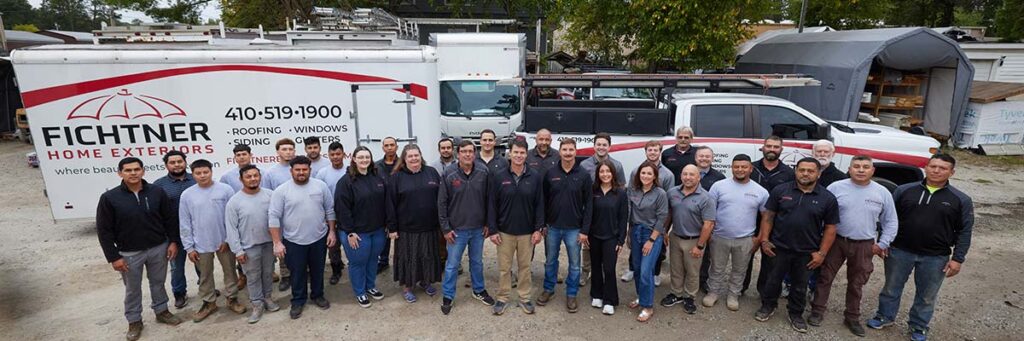
A full-service exterior remodeler operates differently. One team. One vision. One timeline. One point of accountability.
When the same crew handles layout, material selection, design coordination, and installation, you get:
- Shorter timelines. No waiting for the next contractor to become available.
- Fewer disruptions. Your home isn’t a job site for three separate projects spread across six months.
- Superior workmanship. The crew installing your roof knows how it integrates with the siding they’re also installing.
- Consistent materials and colors. No surprises when the siding arrives and doesn’t quite match the roof you picked three months ago.
- One warranty. One company standing behind the entire project—not a patchwork of coverage with gaps no one will take responsibility for.
This is why coordinated exterior renovations consistently produce higher ROI than piecemeal upgrades. It’s not about spending more—it’s about spending once, on a project designed to last, look cohesive, and add real value to your home.
Why Fichtner Builds Exteriors This Way
For over 30 years, Fichtner Home Exteriors has approached every project with the same philosophy: your home’s exterior isn’t a collection of separate systems. It’s one integrated whole—and it deserves to be treated that way.
We don’t just replace roofs. We don’t just install siding. We design coordinated exteriors that respect your home’s architecture, improve its performance, and create the kind of lasting beauty that increases value and eliminates regret.
That means understanding whether your home is a Cape Cod, a Colonial, or a Craftsman—and making sure every material choice enhances that style. It means pairing roofing, siding, gutters, windows, and entry features so they work together structurally and visually. It means thinking about durability, not just installation day.
And it means giving you one team, one timeline, and one company you can trust to deliver a finished home—not a series of isolated fixes.
So Here’s the Real Question
Are you fixing a problem, or are you finishing your home?
Both are valid. But only one gives you a house you stop second-guessing.
If you’re ready to explore what a coordinated exterior renovation could do for your Maryland home—whether that’s a new roof and siding, a full transformation with windows and entry features, or something in between—we’d love to help you design a plan that makes sense.
Schedule your exterior consultation with Fichtner Home Exteriors today.